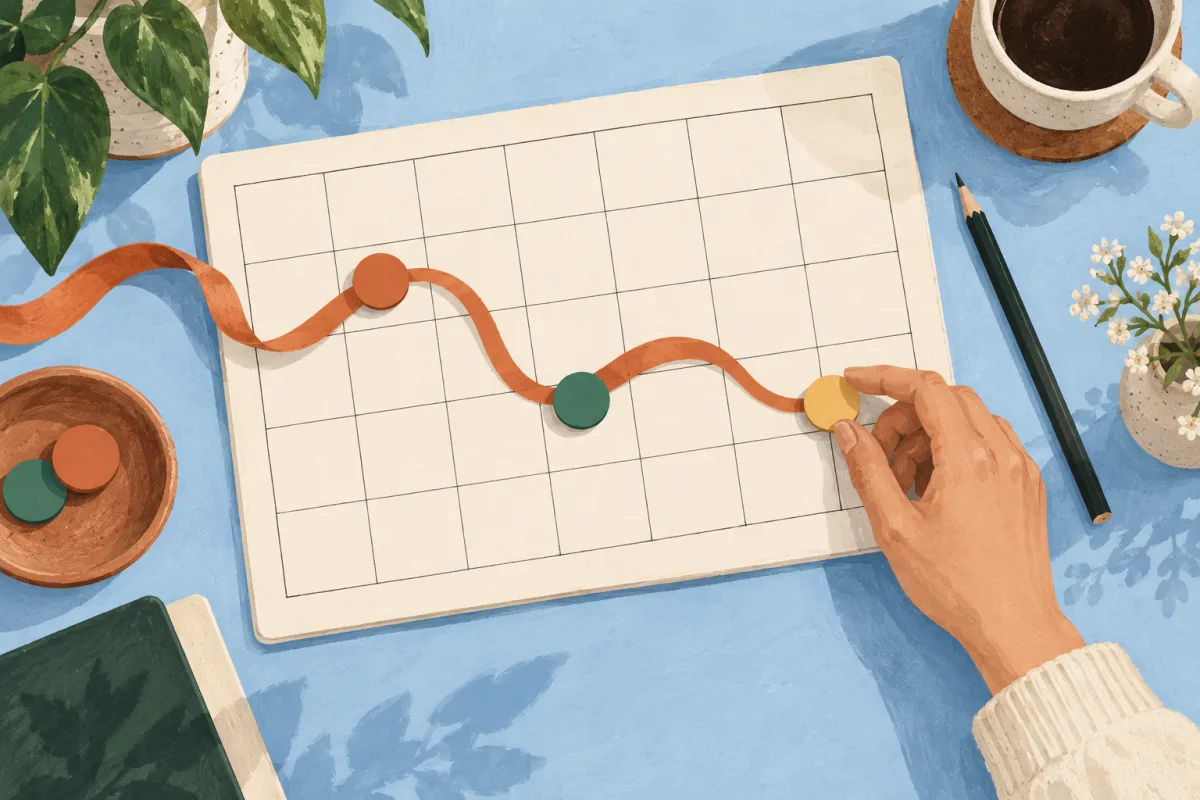
Achievements from twenty years ago still count.
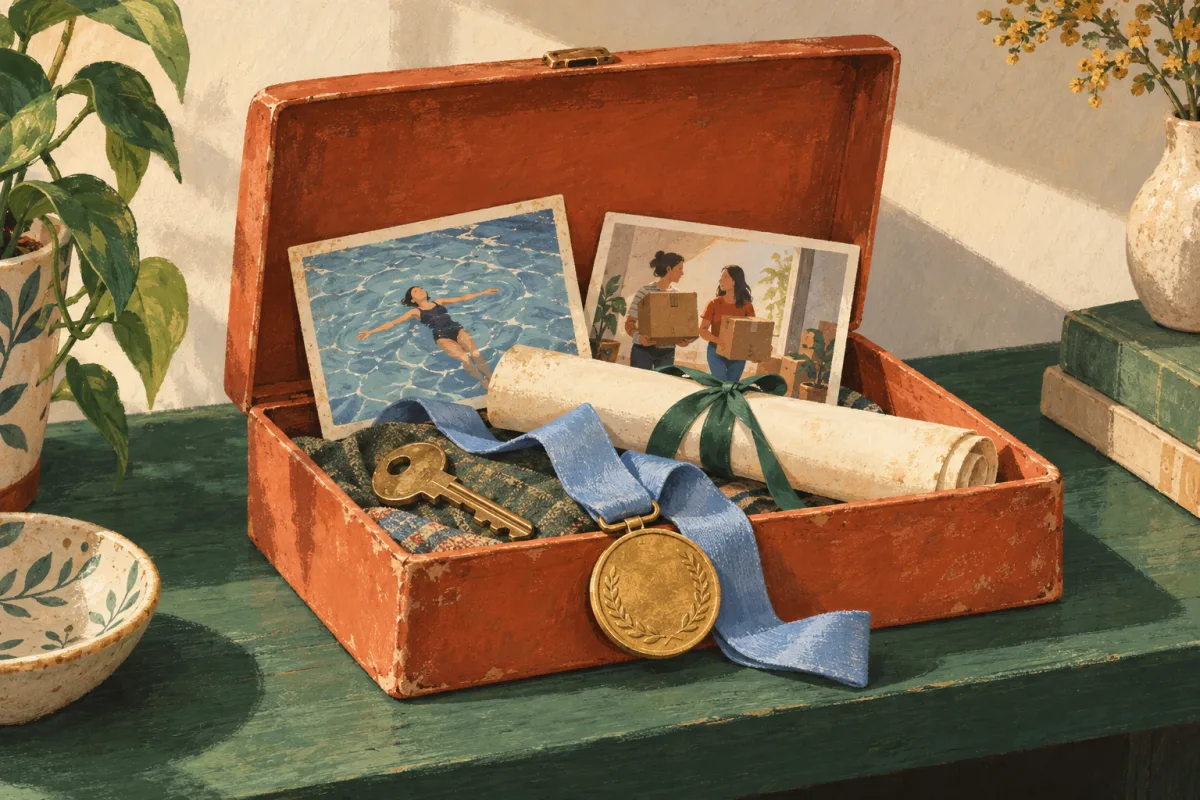
Ask what you’ve achieved this year and the list might be short. Ask what you’ve done in your life and it gets long fast. It might include the first job, the move to a new city, learning to swim as an adult, the degree finished at night, and the friend you helped through a hard year.
Most of that was never written down. It lives in your head, loosely dated, and it comes out in conversation now and then, if at all.
A this-year list leaves most of you out
A list of this year’s achievements starts at zero and resets when the year turns. It counts only what happened recently, and in a slow year it can make you look like someone who hasn’t done much.
The things you did years ago are still yours. The person who taught themselves to cook, ran a first race, or kept a promise that cost something is the same person setting goals now. A lifetime map puts all of it in one place, in order, so a quiet year sits beside the busy ones.
It also changes what you remember. Once the old things count, more of them come back.
Dating what you half remember
Old achievements come with fuzzy dates, and a form that insists on an exact day stops you before you start.
In YearCraft, start by choosing a year under “When?”. The achievement reads “around” that year. Add a month or an exact day if you remember it. If you don’t know when it happened, choose “date unknown” and the achievement still goes on the map.
“By my age” helps when you remember how old you were better than what year it was. Add your birth year once, then pick 19 and let YearCraft do the arithmetic.
Each achievement also gets an area, like travel or learning, with its own icon and color on the badge. Juniper guesses the category from the title as you type it, and you can pick a different one.
Things you did more than once
Some achievements repeat. You might run the same race most years, or make the same trip whenever you can, and each time counts.
“Did it again today” logs another time. The achievement keeps one card with a count on it, ×3 after the third time, and the earlier times stay on the timeline, faded, in their own years. If you did it before you started using YearCraft, add the earlier times from Edit, each with whatever date you can remember, fuzzy ones included.
The Hall of Fame
Once the map fills up, some things on it will mean more to you than the rest. The Hall of Fame is the shelf for those. It sits above the timeline, and anything you’ve done can go on it with the Hall of Fame switch on the achievement itself. The ones on the shelf stay on the timeline too, marked with a small sun.
A good test for the shelf is whether you’d tell someone about it unprompted. The degree might pass. So might the first time you cooked for twelve people and nobody noticed you were nervous.
Where to start
Two places in YearCraft help fill the map. Juniper noticed offers the goals you’ve reached. When you Ask Juniper, it also offers what she finds in your recent journal entries. Each one comes with Add and Not this.
Reflect’s “Give yourself credit” works on day one, before you have a journal to look through. It’s a short conversation about what you’ve already done, from the hardest thing you ever finished to what a friend would brag about on your behalf. It ends in drafted achievements, and each one goes on your Achievements map with a tap.